
WELCOME TO MY PAGE
Julia Fischer
RESEARCH INTERESTS

About me
I am a PhD candidate at the University of Lucerne. During the fall semester of 2024, I had the pleasure of conducting a visiting stay at CERGIC at ENS de Lyon, hosted by Mathieu Couttenier. Following that, I visited the research center IAE-CSIC/Barcelona School of Economics, hosted by Laura Mayoral and Hannes Mueller.
Prior to starting my PhD, I completed a research master's in Development Economics at Université Paris 1 Panthéon-Sorbonne and the PSME MSc in Economics program at Sorbonne. During my undergraduate studies, I pursued dual interests in economics and political science, earning a bachelor's degree in Economics from the Vienna University of Economics and Business and a bachelor's degree in Political Science from the University of Vienna.
In my research, I am passionate about applying the latest advances in applied economics to analyze conflict at various levels. I am particularly interested in understanding the factors that trigger conflict outbreaks, examining post-conflict developments, and exploring how conflict influences geopolitical risks and investment decisions.
Here is my CV.
Research
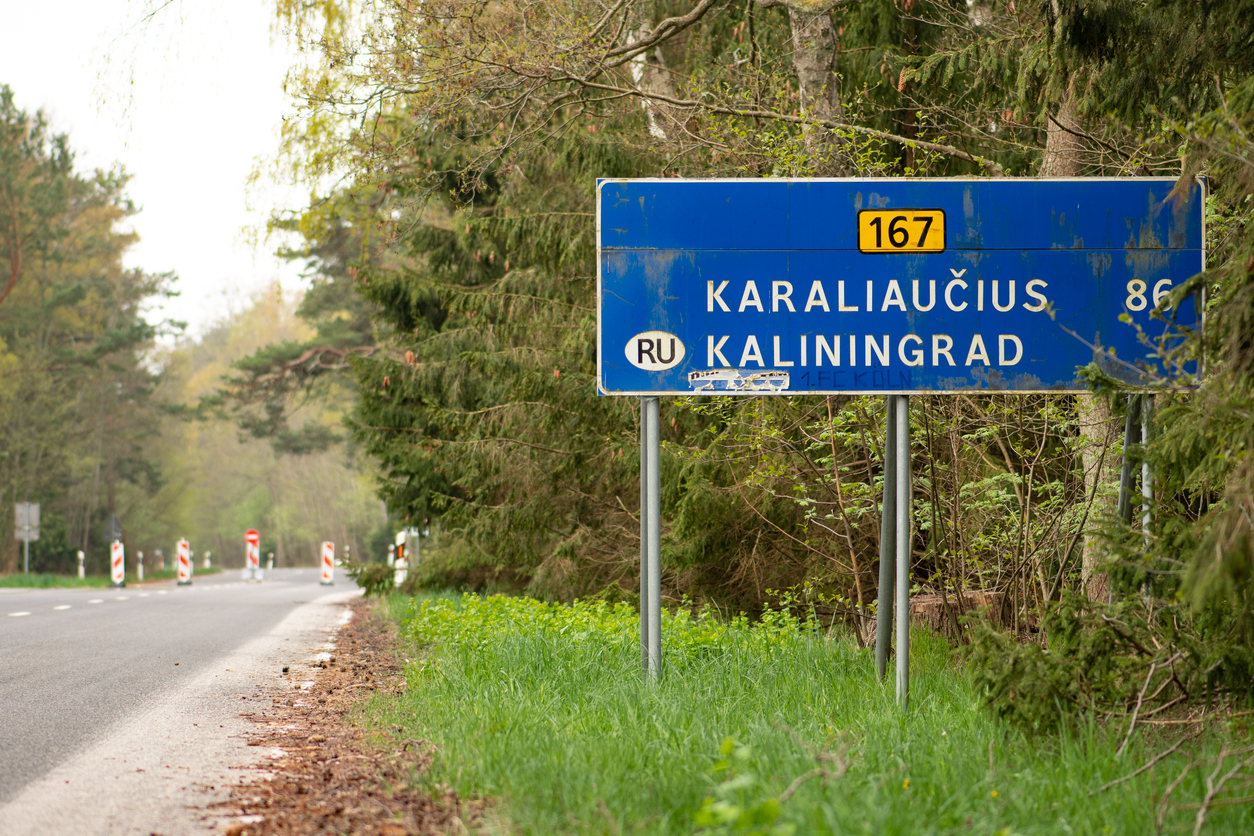
War Risk and Subnational Foreign Direct Investment
with Manuel Oechslin
SSRN Working Paper
When war risk rises, does it affect where firms invest within countries? We examine how location-specific increases in expected war-related costs affect the subnational allocation of FDI. We exploit Russia's 2022 invasion of Ukraine as a shock to the risk of a Russia-NATO military confrontation along NATO's eastern flank. Using georeferenced FDI data in a difference-in-differences design with continuous treatment intensity, we show that locations closer to Russia experienced larger FDI declines. A one standard deviation increase in proximity results in a 2.6 percentage point larger reduction in investment. The pattern is not explained by active fighting or Western sanctions.
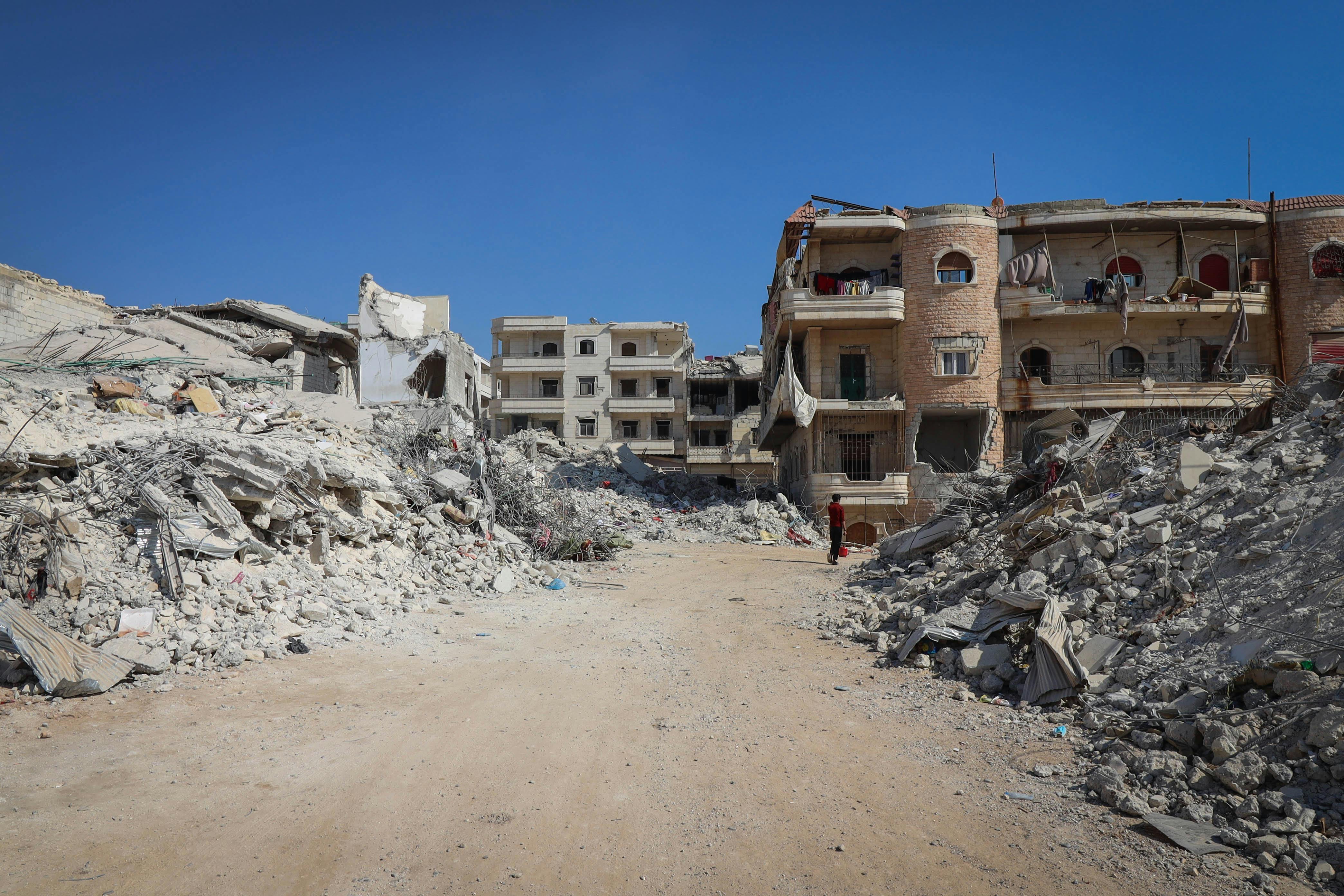
Growth in the Aftermath of War:
Aid Effectiveness in Post-Conflict Locations
Single Authored
Working Paper
I investigate if foreign aid supports subnational development in post-conflict African countries and examine heterogeneous effects of the fighting intensity a district was exposed to by introducing a novel conflict intensity index. Employing a panel of 5418 African districts over a period from 1996 to 2015, estimates indicate the overall effectiveness of aid. However, depending on the intensity of experienced fatalities, the total impact on nighttime light growth is mitigated or even negative for post-conflict districts. Nevertheless, post-conflict districts experience a rebound effect through substantial additional growth in economic activity. Further, there is evidence for within-country spillover effects.

Consolidating Power in Fragile States: Evidence from Afghanistan’s Poppy Ban
with Sydney A. Gordon
Work in Progress
Afghanistan’s 2022 ban on opium poppy cultivation created a rare case of abrupt, policy-induced resource depletion in a fragile state. As opium production accounted for up to 14 percent of Afghanistan’s economy, the ban generated a large but unevenly distributed shock with implications for conflict and political control. We use this policy shock to study how resource depletion reshapes conflict dynamics and power consolidation in a fragile state. Using a district-month panel and a difference-in-differences design with continuous treatment intensity based on pre-ban poppy cultivation, we find that the effects of the ban differ sharply across violence types and space. Districts more exposed to poppy cultivation show signs of economic grievance, including more protests and riots, but no broad increase in organized armed conflict. By contrast, districts with pre-existing anti-Taliban resistance activity experience declines in organized violence after the ban. These patterns are difficult to reconcile with an opportunity-cost versus contest-effect intuition traditional in the literature, in which the same marginal actors switch between production and fighting. We therefore propose a framework in which farmers and fighters represent distinct groups with different incentives and constraints. The framework is consistent with our findings that the ban directly harmed exposed farming districts while indirectly weakening organized resistance capacity elsewhere.

UNDP Project - NTL Analysis on the Economic Consequences of Sudan Conflict 2023
with Giorgia Giovannetti and Tommaso Pacetti
Policy Work
Teaching
2023 ─ Present
Tutorial Macroeconomics I - bachelor level
2023 ─ Present
Supervision seminar papers
2023
Seminar Recent Topics in Development Economics - masters level